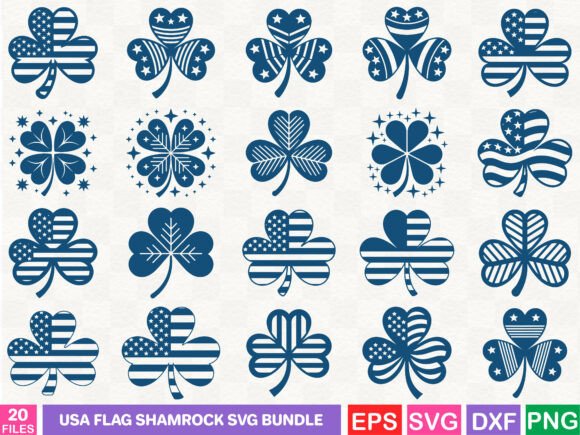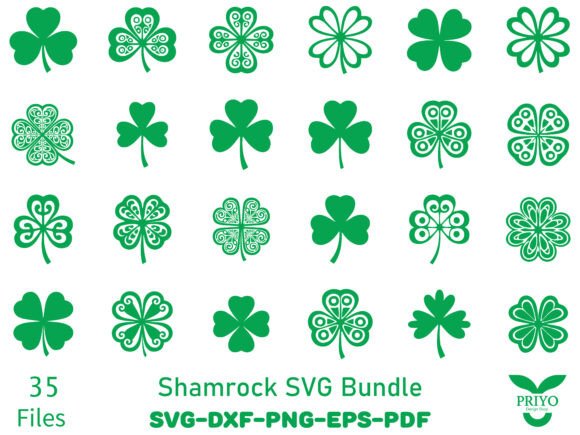
Shamrock SVG Bundle, Four Leaf Clover
A Designer’s First Look: Charm with Quiet Confidence
When I opened the Shamrock SVG Bundle, Four Leaf Clover, my first thought wasn’t “cute” or “festive”—it was “balanced.” The four-leaf motif sits cleanly within its own visual breathing room: no overcrowded stems, no fussy detailing that would vanish under thread, and a subtle asymmetry in the leaf angles that feels hand-drawn, not algorithmically perfect. As an embroidery designer who’s stitched hundreds of clover motifs—from overworked St. Patrick’s Day logos to delicate heirloom baby caps—I appreciate how this bundle avoids both cartoonish exaggeration and botanical rigidity. It reads as joyful but grounded—ideal for a handmade product that wants to feel sincere, not seasonal gimmick.
Where It Shines: Real Projects, Real Fabric
I tested the Shamrock SVG Bundle, Four Leaf Clover on a natural linen tote bag destined for a local boutique’s spring collection. The design scaled beautifully at 3.2 inches wide—large enough to read clearly, small enough to sit neatly above a pocket without overwhelming the fabric’s texture. Stitched in matte cotton thread with a light tear-away stabilizer, the leaves held crisp edges, and the central vein detail (a fine running stitch) stayed legible—not lost in fill density. That’s rare in clover designs, where inner lines often blur into satin stitch mush.
It also translated well to other real-world uses: embroidered on a lightweight organic cotton sweatshirt (medium-weight cutaway stabilizer), it kept its shape through gentle washing; stitched onto a cotton twill apron, the clean outlines popped against the weave; and when used as an applique design for a baby onesie, the open negative space between leaves prevented bulk and minimized irritation against sensitive skin. For Etsy sellers and craft fair vendors, this versatility matters—it means one embroidery file can support multiple product lines without needing redesigns.
Where to Pause—and Why
This isn’t a “set and forget” machine embroidery design. On stretchy fabrics like jersey or ribbed knit, the outer leaf curves need careful hooping and a light fusible topping—otherwise, the satin stitch edges can ripple. On dark fabric, especially deep navy or charcoal, test your thread colors early: some greens lose vibrancy without contrast testing in a black-and-white mockup first. And while the design works on caps, avoid placing it near the crown seam—the slight curvature there can distort the top leaf unless you’re using a cap frame and adjusting tension manually.
The stem is intentionally minimal—just a single running stitch line—so don’t expect bold dimensionality there. That’s smart for small hoop sizes (under 4x4 inches), but if you’re marketing a premium embroidered patch, consider adding a tiny French knot or seed stitch accent by hand post-stitch. Also, skip dense fill areas on thin tea towels or kitchen linens unless you pre-test wash durability; high stitch density + frequent laundering = potential fraying over time.
What It Does for Your Brand—and Your Buyers
As a designer reviewing Shamrock SVG Bundle, Four Leaf Clover for commercial embroidery, I notice how it supports professionalism without shouting. It doesn’t scream “holiday sale!”—it whispers “thoughtfully made.” That builds trust. Customers browsing your Etsy shop or boutique website respond to subtlety: they see craftsmanship, not clipart. When stitched on a linen pillow cover or nursery decor item, it reads as intentional design—not generic holiday graphics. That directly lifts perceived value, especially for personalized gifts or wedding favors where sentiment outweighs spectacle.
For craft business owners, this design fits seamlessly into cohesive branding. Pair it with neutral-toned thread palettes (sage, oat, slate, cream) and it becomes part of a quiet, elevated aesthetic—perfect for botanical-themed shops or slow-living lifestyle brands. It also scales well in printable mockups, helping digital product sellers preview how their embroidery project will look across apparel, home goods, and accessories before stitching a single line.
Practical Notes Every Embroiderer Should Check
- Always test on scrap fabric first—especially with textured or dark materials. What looks balanced on screen may shift under thread tension.
- Review stitch density before finalizing. If your machine struggles with tight fills, simplify inner leaf details or reduce density by 5–10%.
- Confirm hoop size compatibility. This embroidery file is likely optimized for standard hoops—but verify before batching orders.
- Inspect small details at actual stitch size: the central vein, leaf tips, and stem connection should all resolve cleanly at your intended output scale.
- Test thread color contrast on both light and dark fabric backgrounds—not just digitally, but physically. A soft mint thread may disappear on ecru linen.
- Use proper stabilizer for your fabric type: cutaway for knits, tear-away for stable wovens, fusible for lightweight layers.
- Check licensing terms before selling finished products or reselling the digital file. Since this is listed under Illustrations and Graphics, confirm whether commercial use is included.
Final Thought: A Design That Earns Its Place
The Shamrock SVG Bundle, Four Leaf Clover doesn’t try to be everything. It’s not a maximalist festival emblem, nor is it so minimal it fades into background noise. It’s a quiet, confident design asset—one that serves the craft business owner who values clarity over clutter, the embroidery designer who respects fabric integrity, and the customer who chooses handmade because they want meaning, not mass. Whether you’re stitching a custom apron for a coffee roaster, a baby embroidery gift for a friend, or building a cohesive line of holiday embroidery for your small shop product catalog, this bundle earns its spot—not as filler, but as foundation.