Crazy in Love SVG: A Designer’s Real-World Embroidery Review
Let’s be honest—Valentine’s Day designs flood the market every January, but few hold up under the needle. As someone who’s stitched hundreds of custom pieces for boutiques, Etsy shops, and client gift lines, I tested Crazy in Love SVG on a soft cotton tote bag destined for a local bridal shower. Not as a quick digital preview—but with thread, stabilizer, and real expectations. Here’s what actually matters when you’re turning this design into a finished product.
First Impressions: Sweet, Simple, and Surprisingly Versatile
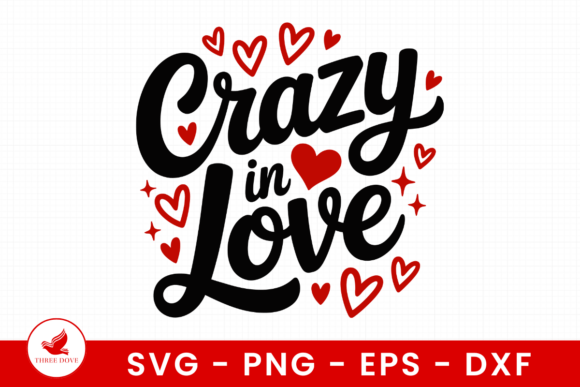
Opening the Crazy in Love SVG zip file gives you one SVG and one 300 DPI PNG with transparency—clean, no fluff. The design itself is a playful script phrase (“Crazy in Love”) with subtle heart accents dotting the “i”s and curling around the tail of the “e.” It’s not overly ornate, but it’s not flat either—the curves have gentle weight, and the spacing breathes well. That’s critical: cramped lettering fights stitch definition, especially at smaller sizes. This layout feels intentional—not rushed, not overdesigned. It leans romantic without leaning cliché, which makes it work beyond February. Think baby onesies, kitchen towels for newlyweds, or aprons for a small-batch bakery.
Where It Shines: Real Projects, Real Customers
I stitched Crazy in Love SVG onto a medium-weight unbleached cotton tote (10” x 12” hoop). With light tear-away stabilizer and 40-weight rayon thread, the satin-stitched outlines held crisp edges, and the fill areas stayed smooth—not puffy, not sparse. It translated beautifully to sweatshirt embroidery too: slightly reduced to 3.5”, it kept legibility on a textured fleece surface. For baby embroidery? Yes—but only on items like burp cloths or reversible bibs where stitch density won’t irritate sensitive skin. As a machine embroidery design, it’s forgiving enough for beginners yet refined enough for commercial embroidery clients who care about polish.
As an applique design? Less ideal—the shape isn’t built for raw-edge or turned-edge appliqué; there’s no separate outline layer or placement guide. But as a standalone embroidered graphic? Strong. It reads clearly on custom apparel, embroidered patches, pillow covers, and even tea towels (just avoid dense fill stitches near hems where repeated washing could stress threads).
Where to Proceed With Care
This isn’t a “set and forget” embroidery file. On stretchy fabric like jersey tees, test first—those flowing script letters can distort if tension or stabilizer isn’t dialed in. On dark fabric, confirm your thread colors contrast well; the PNG mockup helps, but nothing replaces stitching a swatch. Tiny corners—like the inner curve of the “a” or the point of the heart—need checking under magnification. If your machine struggles with tight turns, slow the speed or adjust stitch length manually.
Avoid using Crazy in Love SVG on curved surfaces like caps unless you reduce it significantly (under 2.75”) and use cap hoops with proper foam stabilizer. And while it works on layered garments (think denim jackets), skip it on ultra-thin fabrics like voile—stitch density may show through or cause puckering without extra backing.
What It Adds to Your Finished Product—Beyond Aesthetics
Stitched well, Crazy in Love SVG elevates perceived value. It doesn’t scream “mass-produced”—it feels handmade, intentional, and personal. That matters for Etsy sellers listing personalized gifts or small shop owners curating boutique branding. Customers notice the difference between a generic font and a thoughtfully spaced script that flows like handwriting. It builds trust: when a bride orders matching totes for her bridesmaids, she’s not just buying fabric—she’s buying sentiment, cohesion, and attention to detail.
For craft business owners, this design fits seamlessly into printable mockups and digital product previews. Use the PNG for listings—it renders cleanly across devices—and pair it with lifestyle photos showing the embroidered version on a linen pillow or canvas apron. That visual consistency strengthens brand recognition, especially if you’re building a seasonal collection around love-themed design assets.
Practical Notes Every Embroidery Designer Should Check
- Test first—always stitch Crazy in Love SVG on scrap fabric matching your final project’s weight and texture.
- Review stitch density—especially in the heart details and lower loops. Overly dense fills risk stiffness on wearable items.
- Confirm hoop size compatibility—the original SVG scales well, but don’t assume it fits your smallest hoop without measuring.
- Inspect small details—zoom in on the PNG to spot potential nesting issues or fragile connections before converting to embroidery format.
- Try black-and-white mockups—this design relies on shape and rhythm more than color, so grayscale tests reveal clarity gaps fast.
- Use appropriate stabilizer—light cutaway for knits, tear-away for stable wovens, and fusible for lightweight linens.
- Verify licensing—since this is a digital embroidery file sold as a Graphics download, confirm whether commercial use (e.g., selling embroidered totes on Etsy) is permitted before launching.
Final Thought: A Reliable Workhorse, Not a One-Season Flash
Crazy in Love SVG isn’t flashy—but reliability matters more than flair when you’re shipping 50 embroidered baby blankets before Mother’s Day or restocking bestsellers for a craft fair. It bridges T-Shirt Designs and heartfelt handmade product needs without overpromising. It’s the kind of embroidery file you keep in your “go-to” folder—not because it’s trendy, but because it stitches cleanly, sells consistently, and makes customers smile when they unfold their purchase. Just remember: great design starts before the machine hums. Read the file specs, test deliberately, and let the craft speak for itself.